
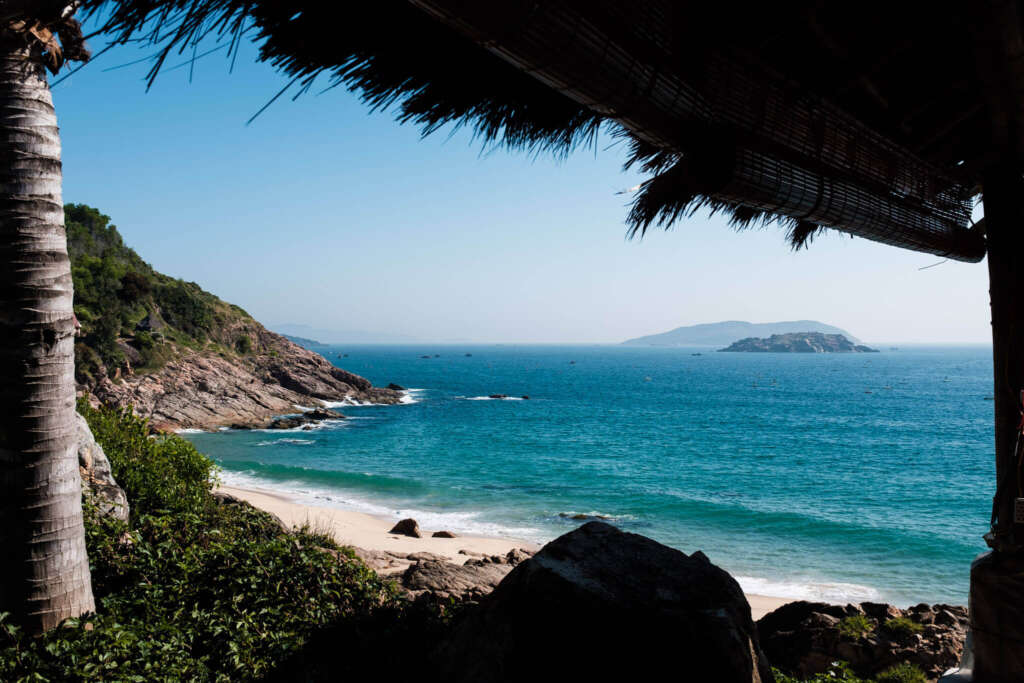
This route works best when it is seen as one continuous movement through Southern Vietnam.
Begin with 1 or 2 days in Ho Chi Minh City, the restless urban heart of the South. The city is lively, loud and full of movement, with motorbikes flowing through wide boulevards, old colonial-era buildings standing beside modern towers, markets opening early, and cafés spilling onto the streets.
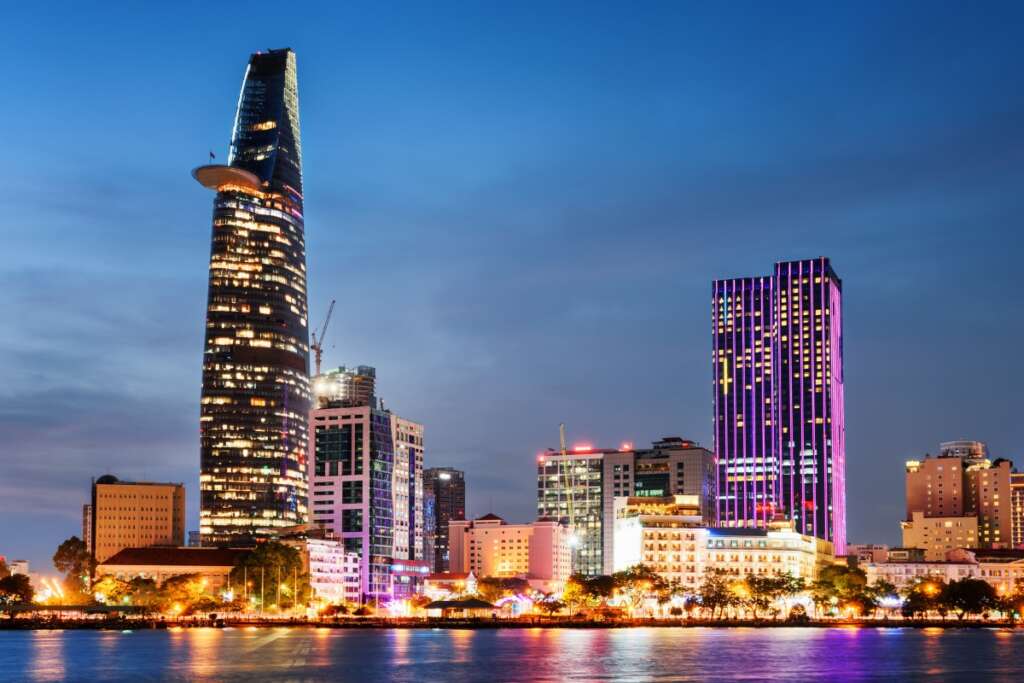
For travellers arriving in Vietnam, this is a vivid first chapter: a place to taste southern food, visit historic landmarks, walk through older neighbourhoods, and feel the pace of a city that rarely sits still. After this urban introduction, the journey begins to soften as it moves toward the waterways of the Mekong Delta.
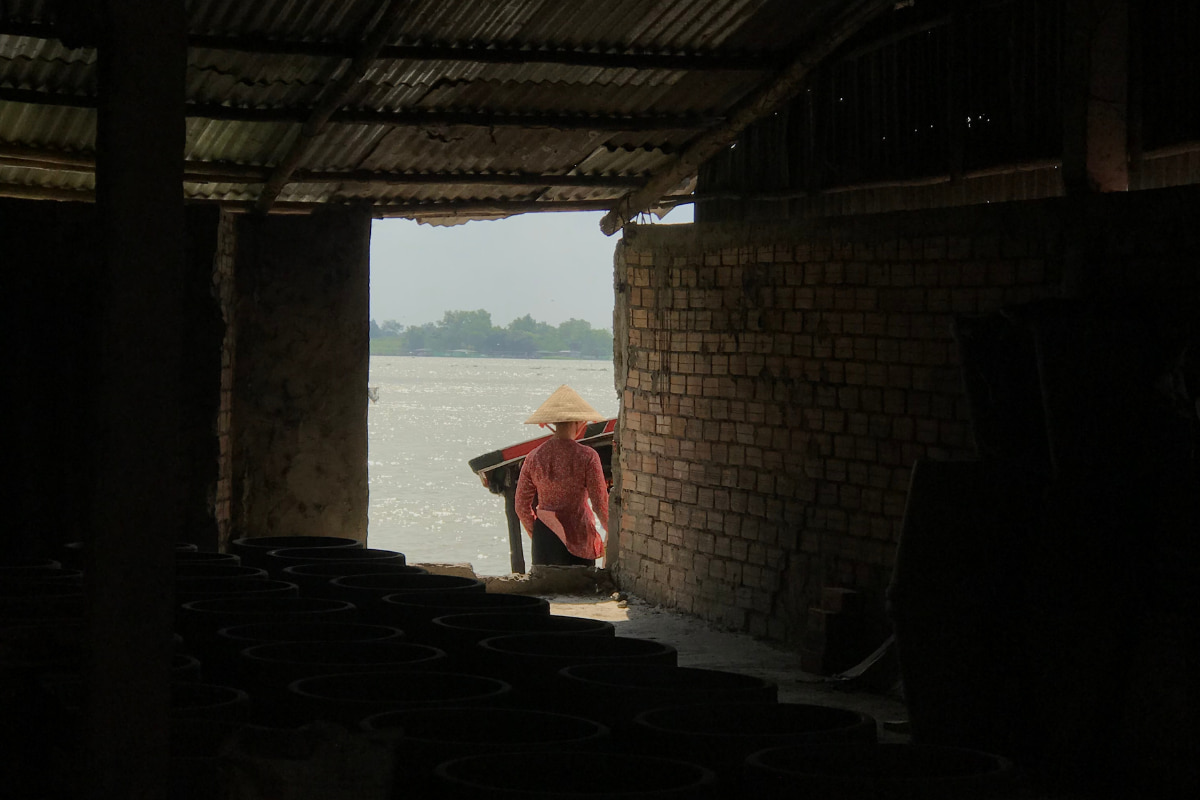
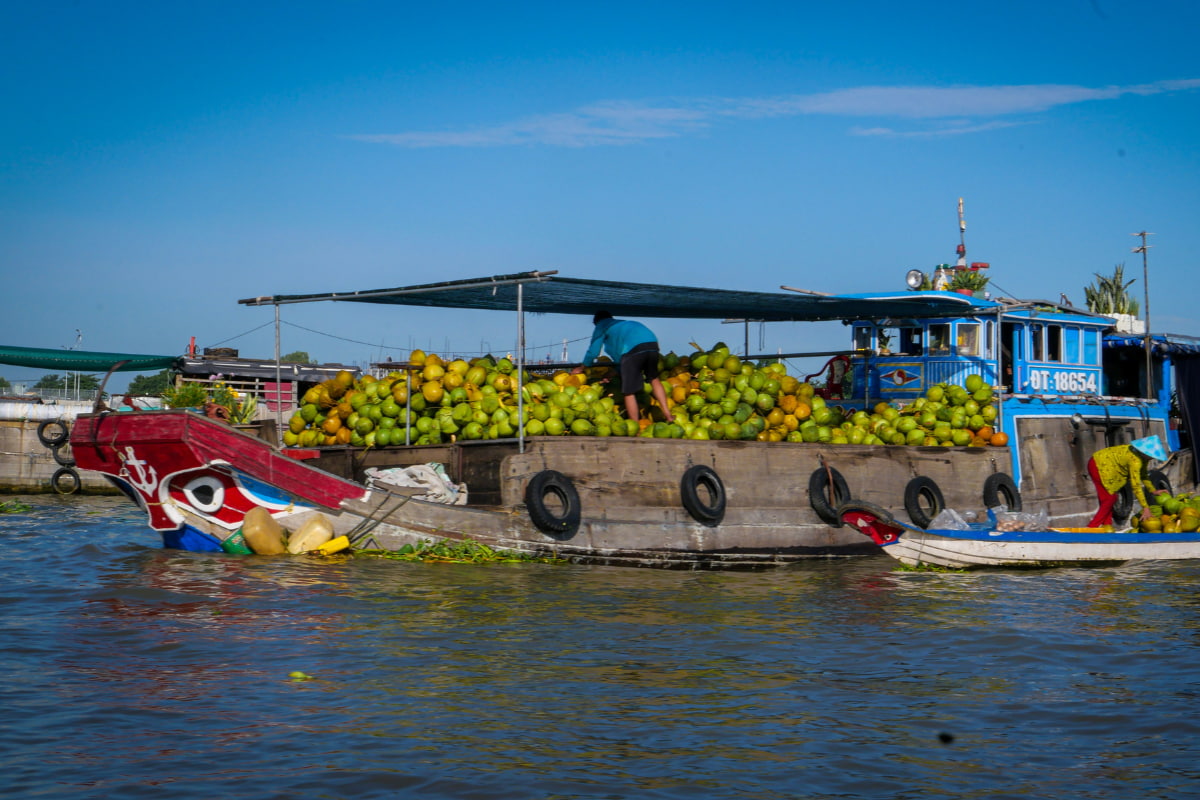
Mekong Delta – A 3-Day Immersive Experience
Mekong Delta, Southern Vietnam
6,216,741 VNĐ

Mekong delta backroads – Full-day cycling to My Tho
Mekong Delta, Southern Vietnam
2,769,726 VNĐ
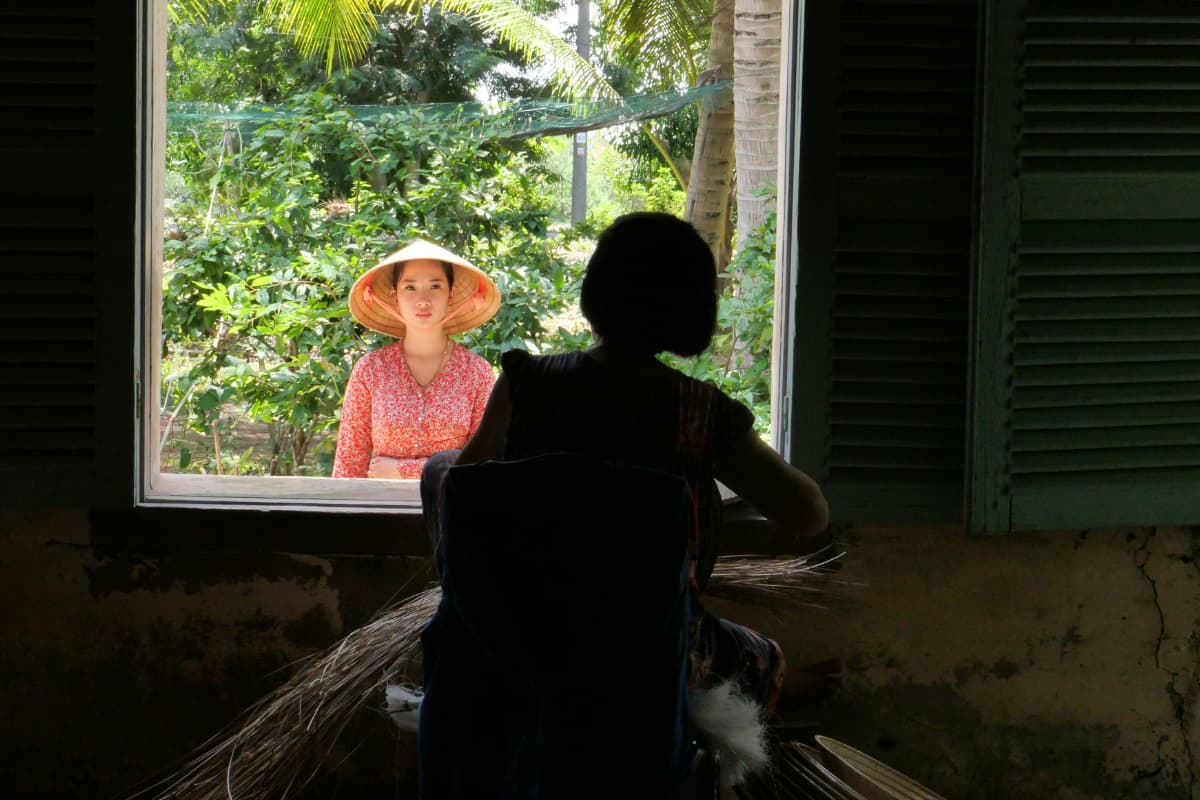
This is where the itinerary begins to feel different when we move farmland toward coastal towns such as Ha Tien or Rach Gia. These towns are often treated as transit points, but they also mark a meaningful change in the journey. After days of canals, orchards and inland roads, the air begins to feel different. The river landscape opens outward. The sea comes closer.
From here, travellers can continue to Phu Quoc by high-speed ferry, with schedules depending on route, season and local conditions. Phu Quoc does not appear suddenly after a short flight. It is approached gradually, after the landscapes of the South have had time to unfold.
3 days in Phu Quoc offer a natural change of pace. The island is a developed resort destination with seaside stays, seafood restaurants, nature areas and family-friendly attractions.

Days can be spent swimming, walking along the beach, eating seafood, visiting nature reserves, or watching the sun lower over the western coast. For travellers staying longer, the island also offers a growing range of accommodation suited to extended holidays, remote work and unhurried living.
Seen this way, the itinerary becomes more than a sequence of transfers. Ho Chi Minh City brings the energy of the South into focus, the Mekong Delta gives the journey its cultural depth, and Phu Quoc offers a softer ending by the sea. The route feels connected because each stage leads naturally into the next.
The Mekong Delta and Phu Quoc are affected by different seasonal conditions. In the Delta, the floating season is about river water: the Mekong rises, canals expand, and wetland landscapes become fuller, usually around the seventh to ninth lunar months. Around Phu Quoc, the main concern is the sea conditions. From late May to early October, the island enters its rainy season, when stronger wind, heavy rain and rougher waves can affect boat travel.
From August/September to November, the Mekong Delta can feel especially atmospheric. This is when the river landscape has more water, and places such as Tra Su cajuput forest, small canals and riverside villages often feel more alive. For travellers interested in the Delta itself, this can be a beautiful time to travel. The important thing is to remember that this period may overlap with the later part of Phu Quoc’s rainy season, so the river experience may be rewarding while the sea crossing still needs some flexibility.
From May to early October, the main planning concern is Phu Quoc. This is the period when rain, wind and rough sea are more likely to affect island activities and speedboat services. We advise travellers to avoid travelling by high-speed boat when the wind is strong and the sea is rough. For this reason, travellers should avoid planning the ferry too tightly, check the schedule close to departure, and keep some space in the itinerary in case the crossing is delayed or cancelled.
From November/December to April, this route is usually easier to manage overall. The dry season in Vietnam generally runs from November to April, bringing more stable weather and better conditions for road transfers, cycling, walking, markets, local workshop and village visits. It may not have the same dramatic water levels as the floating season, but it is often the most comfortable time for travellers who want to combine the Mekong Delta with Phu Quoc smoothly.
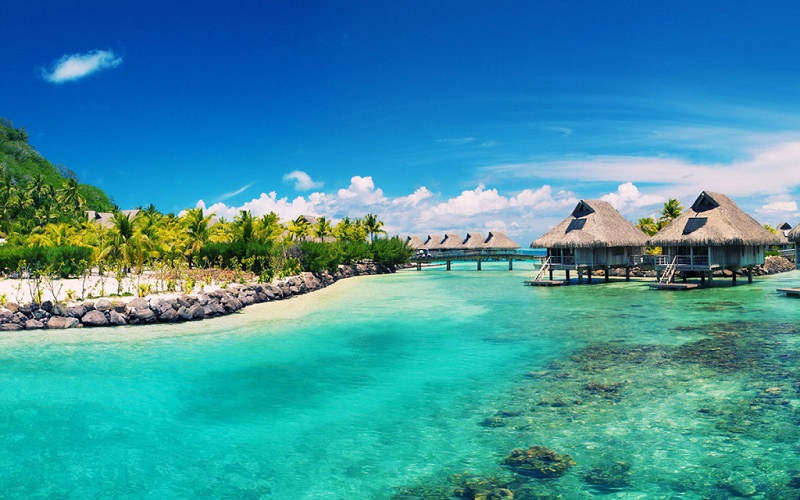
Travellers can book high-speed ferry tickets online or directly at the port, and e-tickets are commonly accepted. However, for this particular itinerary, arranging the transfer through a local tour agency can make the experience smoother. The reason is simple: the ferry ticket only covers the sea crossing. Travellers still need to get to Ha Tien or Rach Gia port, then arrange transport from Phu Quoc’s Bai Vong port to their hotel. Bai Vong port is around 15 kilometres from Duong Dong, and the ferry company does not always provide onward transfer, so having these connections arranged in advance can save time and stress, especially for families or travellers with luggage.
The best departure point is therefore not only about ferry duration, but about where the Delta journey ends and how the road transfer fits with the rest of the itinerary. Ha Tien port offers the shortest sea route to Phu Quoc, with the high-speed boat taking around 1 hour 20 minutes. Rach Gia port takes longer, around 2 hours 30 minutes, but it may be more convenient for travellers ending their Mekong Delta journey around Can Tho, Long Xuyen or Sa Dec. For those already near Chau Doc, Tra Su or the western edge of the Delta, Ha Tien port usually makes more sense.
Luggage is another small detail that matters. Each passenger is generally allowed luggage under 20 kilograms with a ferry ticket, while bulky or overweight items may require extra fees. Travellers should also avoid carrying restricted items such as flammable goods, strong-smelling fruit, chemicals or other prohibited materials.
For families, first-time visitors, or anyone combining the Mekong Delta with Phu Quoc in one continuous route, a guided arrangement from a travel agency is often more comfortable. It helps connect the overland journey, port timing, ferry ticket and hotel transfer into one smoother experience. This route is very possible, but it works best with a little planning. The most important point is to treat the ferry crossing as part of the journey, not as a last-minute transfer.
For more information, please feel free to contact us, and we will be happy to help plan the journey for you.